


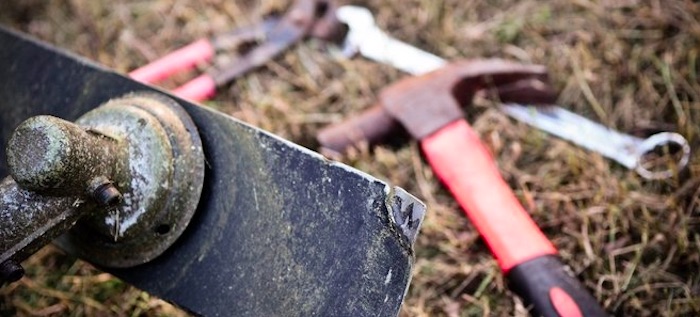
Spring has officially sprung, which means it’s time to get outside and tackle your spring yard work. But if your lawnmower won’t start, your old weed eater has sprung a gas leak, or your once-trusty garden tools now have rusted heads and cracked handles, it might be time to replace them and start thinking about how to get rid of old tools the right way.
So what do you do with those broken tools? With strict equipment disposal regulations for certain gas-powered machines and battery-operated gear, you can’t just toss your yard equipment in the trash or curbside recycling bin. That’s why figuring out how to dispose of old tools and equipment can be a real pain in the grass unless you have the right help.
We’ll walk you through how to properly assess all of your gardening equipment, and give you the best pointers for recycling old garden tools near you.
Table of Contents
**Click to auto-scroll by section
Assess Your Tools: Repair, Recycle, Donate or Dispose
Before you start rummaging through your tool shed or gardening box and tossing out every tool that looks even remotely sketchy, keep in mind that some tools only need a small, inexpensive repair to extend their life. Tool and equipment disposal can be a difficult and dirty job. By evaluating your yard tools and outdoor equipment first, you’ll better determine what’s worth fixing and what you truly need to get rid of.
Safety First: Before working on any of your tools, disconnect them from power source. For gas-powered tools, remove the spark plug so it doesn’t turn on, which could result in injury.
Lawn Mowers
After sitting idle for months, lawnmowers don’t always start up right away. Pumps, seals, and valves in the carburetor can get gummed up, especially if you forgot to empty the gas tank before storing your mower for the winter. Fortunately, issues like these can often be repaired fairly easily, saving you from having to dispose of gas-powered tools unnecessarily.
You may have to prime the engine three or four times to get your lawnmower to begrudgingly turn over. But if your old lawnmower won’t start after a few cycles of priming and pulling, don’t start browsing online for new mowers just yet.
Here are some incredibly basic things you can do yourself that might get you up and running:
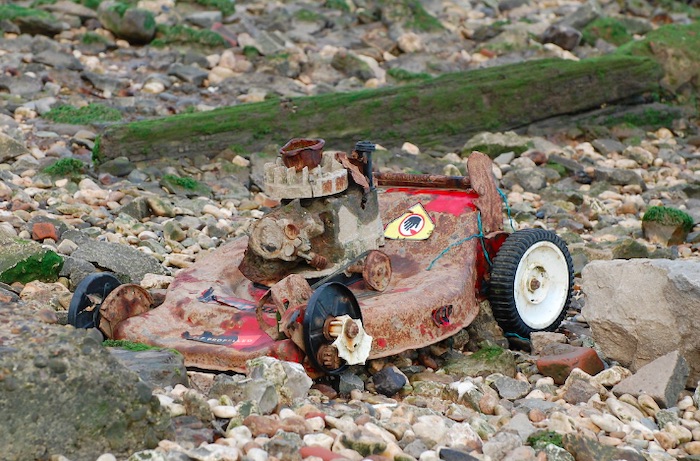
Troubleshooting Your Lawnmower Engine:
- Spark Plug: Before doing anything, always disconnect the spark plug. Manually turning the mower blade while the spark plug is still connected could cause the engine to “kick start,” putting your fingers at risk. And let’s be honest… no one wants that. While you’re at it, check the spark plug to see if it’s burned out. A worn-out spark plug can prevent the engine from cranking. If needed, consider spark plug disposal assistance to avoid issues.
- Gas in the Tank? It may sound obvious, but sometimes the problem is as simple as forgetting to add gas. It’s been a while since you’ve used the mower, after all. If you didn’t empty the gas before storing it for the winter, stale or bad gas could be the culprit. Try draining the tank and refilling it with fresh gas.
- Air & Fuel Filters: Most mowers only have an air filter, but some come with both an air and oil filter. Inspect the filters to see if they’re clogged. Oil can sometimes seep into the air filter, causing starting issues.
- Oil: Your mower needs an oil change every 20-50 hours of operation. Old or dirty oil can cause parts to seize and prevent the engine from turning over. If a fresh oil change doesn’t work and you’ve confirmed there’s enough gas in the tank, it might be time to dispose of it.
If your old lawnmower still won’t start after checking all of the common issues, you might be dealing with a broken machine. If your mower is older, repairs can get expensive, especially since replacement parts may be harder to find. It might be difficult to justify those repair costs when you can purchase a brand-new mower with modern features and better efficiency.
Searching for old lawn mower disposal? BOOK A PICKUP ❯
Chainsaws
There are several reasons why your chainsaw may not be starting or isn’t operating correctly. If you’re experiencing issues with your chainsaw, consider trying the following troubleshooting steps:
Troubleshooting Your Chainsaw
- Chain Tension: If the chain is sagging, it can prevent your chainsaw from starting. Ensure the chain is properly adjusted to the correct tightness. If the chain is rusted or broken, replacing it is the best option.
- Bar Straightness: Verify that the bar (the part that the chain wraps around) is straight and free of dents. A bent, cracked, or broken bar could be beyond repair. Operating a damaged chainsaw is dangerous, so don’t risk it. Buy a replacement and schedule chainsaw disposal for the damaged tool.
- Proper Gas/Oil Mix: Chainsaws come in both two-stroke and four-stroke engine models. Each type requires a specific gas/oil mix. Using the wrong mix or an improper ratio can cause operational failure. If your fuel mix is correct, the problem may lie with the carburetor, which might need replacement.
Leaf Blowers
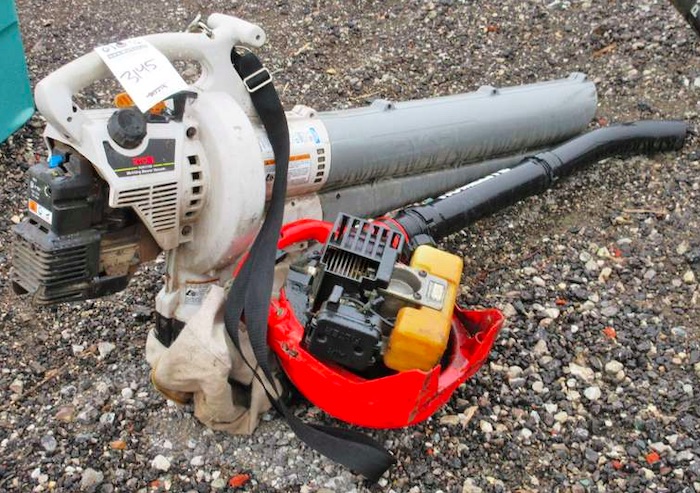
Over time, leaf blowers can lose power or stop blowing altogether. In some cases, blower/vacuum combos may get clogged with leaves and debris, which can hinder performance. Remove the blower nozzle and check for any blockages that could be preventing your blower from starting properly.
If everything looks clean and there’s no leaf debris clogging the intake, the issue may be with the engine, power source, or carburetor. Unless you’re experienced with small engine repair, it’s often more cost-effective to replace a broken leaf blower especially an older model than to fix it. When it’s time to part ways, consider options for leaf blower disposal near you.
A leaf blower that no longer works isn’t much help in the yard and should be properly disposed of. These tools are often made with recyclable mixed materials, but they won’t be accepted in your curbside recycling bin. That’s why it’s important to find a responsible way to handle leaf blower recycling near you. An eco-friendly junk removal company like LoadUp makes disposal simple and sustainable.
Leaf blower not blowing leaves? BOOK A PICKUP ❯
Weed Eaters
If your weed eater won’t start, make sure it’s actually receiving power. For electric models, a frayed or damaged power cord is often the culprit. If that’s the case, it’s probably time to recycle your weed eater and invest in a new one that gets the job done safely.
For gas-powered models, double-check that the tank is full and the gas/oil mix is accurate. If your old weed eater still refuses to start after refueling properly, it may be time to dispose of the weed eater responsibly and replace it with a newer, more efficient option.
Weed eaters contain a mix of metal and plastic components that are recyclable, but they’re considered specialty waste that can’t be tossed in your curbside recycling bin. To recycle old tools like weed eaters properly, you’ll need to find a better disposal method.
To properly handle weed eater disposal, it’s important to know the right steps like how to remove the weed eater head safely. Like most yard tools, used weed eaters should not be tossed in the trash, since landfills are not an eco-friendly option for unwanted tools.
Garden Tools
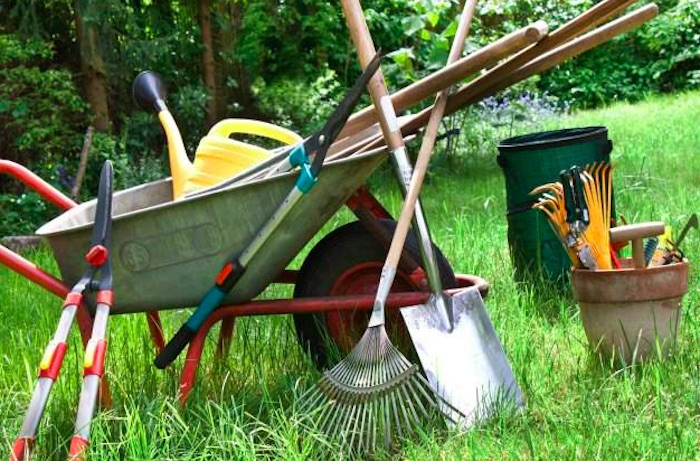
Broken hand tools and chopping tools like axes and mauls are often the easiest to evaluate since their damage is usually obvious. Many of these old tools are made from recyclable materials like metal and wood, making it easy to recycle old tools instead of sending them to the landfill.
You can scrap metal tools, but keep in mind that most scrap yards have weight minimums before they’ll accept your load. While some local centers do recycle old tools, not all will, so it’s best to call ahead. This helps avoid wasting time hauling unwanted tools that won’t be accepted for recycling.
Don’t dig your broken garden tools? We do. GET QUOTE ❯
Now is also a good time to collect any hand tools that are still in good condition, but you no longer need or have decided to upgrade. You can donate garden tools to community gardens, schools, daycares, senior care homes or a local charity or thrift store.
If you don’t have time to donate garden tools or you can’t meet the weight minimum to scrap them, you can still get rid of old tools in an eco-friendly way with LoadUp. We’ll handle the pickup and responsible disposal, so you don’t have to deal with the heavy lifting or confusing recycling rules.
When you hire us to haul away your garden tools, we’ll deal with all the heavy-lifting and hauling, and we’ll find the most eco-friendly disposal method available – so you can spend more time gardening!
Recycling Tools & Equipment
Did you know you can recycle a lot more than just yard waste and debris? Large outdoor tools and landscaping equipment like lawnmowers, chainsaws, leaf blowers, weed eaters, and edgers can be recycled, too. With metal being a non-renewable resource, it’s always a smart move to recycle old tools and equipment instead of sending them to a landfill.
But there’s even more to it.
Lawn care tools and equipment are often made from hazardous materials that can’t simply be tossed in the trash. Many states and counties have strict disposal regulations and often require tools and other e-waste items to be properly recycled.
Scrap metal recycling plays an important role in landscaping equipment disposal, as it helps prevent valuable metal from ending up in landfills. However, recycling tools and equipment is more complex than regular curbside recycling, as you can’t simply toss everything into your blue or green bin.
Recycling tools and equipment helps your old or broken tools get melted down and repurposed to create new tools and equipment. This process reduces your carbon footprint by decreasing the need to mine new materials.
Scrap metal recycling facilities will break down your old landscaping equipment, separate the plastic from the metal, remove all traces of gasoline and lubricants, and then melt down the metal for reuse.

Hiring the Right Equipment Disposal Company
LoadUp provides a safe, eco-friendly solution for disposing of your broken or unwanted landscaping tools without the hassle. We partner with local recycling centers and donation facilities nationwide to ensure as much of your lawn tools, landscaping equipment, and other unwanted items are kept out of landfills.
With flexible pickup options and upfront guaranteed pricing that’s 20-30% lower than most other junk removal companies, LoadUp offers a more affordable, eco-friendly way to dispose of all your unwanted junk—on your schedule.
For the most affordable and eco-friendly junk removal service, turn to the lawn equipment disposal experts at LoadUp. Get your no-obligation, guaranteed quote online, or call us at (844) 239-7711 to learn why we’re the best choice for tool recycling and equipment disposal today!
Related Articles from the Trash Talk Blog:

