


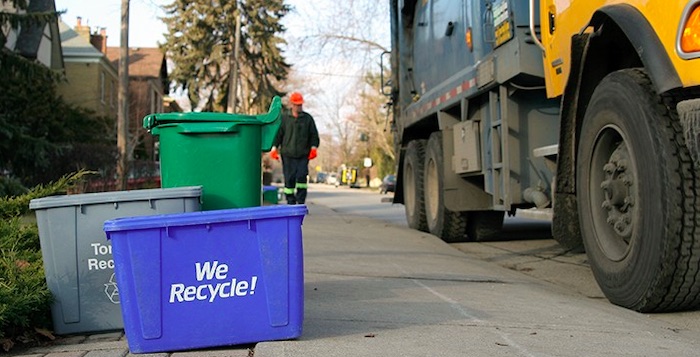
Recycling is a great way to reduce waste, lower carbon emissions, and limit the need for extracting new materials. Thanks to curbside recycling programs, it’s now easier than ever to recycle at home. Still, many people recycle improperly, which can contaminate entire bins.
That’s why it’s important to understand what can go in your curbside recycling bin, what can’t, and how to properly recycle items for curbside pickup. We’ll help you understand what to put in the recycling bin, what to keep out, and how to make sure your items meet the curbside recycling program guidelines in your area.
A Guide to Things That Can be Recycled at Home:
**Click to auto-scroll by section
- Intro to Curbside Recycling
- Using Curbside Recycling Containers
- What Goes in the Curbside Recycling Bin?
- Recycling Plastic in the Curbside Bin
- Recycling Paper in the Curbside Bin
- Recycling Glass in the Curbside Bin
- What Can’t Go in the Curbside Bin
- Recycling Difficult Items
- Curbside Recycling Facts & Myths
Download: Curbside Recycling Bin Cheat Sheet here.
Intro to Curbside Recycling Collection
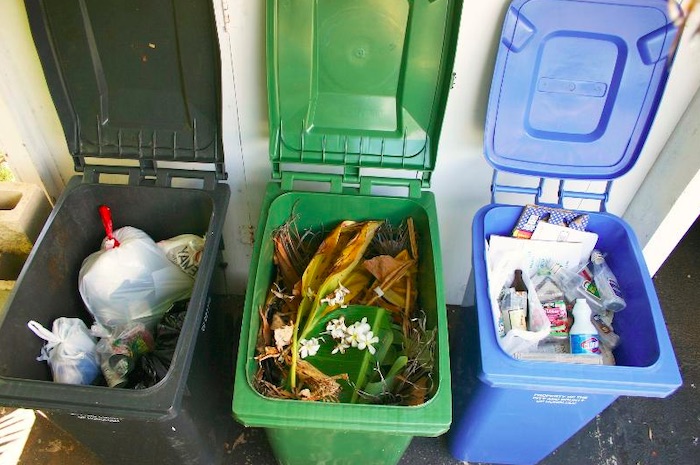
Curbside recycling is available in every state across the U.S. While some states prioritize mandatory recycling laws and landfill bans, others focus on meeting broader recycling goals. In most major cities and surrounding areas aside from some rural communities, there is usually a curbside recycling service available to residents.
Bulky appliance won’t fit in the bin? BOOK ONLINE ❯
Many curbside recycling programs are included as part of your regular trash pickup service. In some areas, residents can also sign up for independent recycling programs. Occasionally, states offer grants to support special recycling initiatives that residents can participate in. Across the nation, new options continue to emerge, from local recycling events to scheduled special pickups.
Curbside recycling usually costs between $8 and $15 per month and is typically included in your trash bill. Pretty convenient, right? It is! However, the money you pay each month might not go entirely to recycling, even if you’re consistently putting items into your bin and rolling it to the curb each week.
Using Curbside Recycling Containers
In general, most curbside recycling programs with pickup services accept the same types of materials. Many plastic, glass, paper, and metal items can be recycled using your curbside bin. Still, there are often questions about how to properly clean recyclables or whether they should be bagged before disposal. Some items like furniture, appliances, and electronics can be recycled but shouldn’t be placed in your curbside recycling bin.
It’s frustrating to realize that despite your efforts to learn what you can recycle at home, some items may still end up in a landfill. This can be especially disappointing when it could have been prevented with the right information.
What can’t be recycled in your curbside bin include:
- Non-recyclable items
- Recycling items placed inside plastic bags
- Food residue (a.k.a. recycling contamination)
For many years, items like plastic lids and pizza boxes weren’t accepted in curbside recycling. However, recently many recycling programs have started accepting these previously “unrecyclable” materials. Since this change is fairly new, it’s important to double-check with your local recycling service before placing these items in your curbside bin on collection day.
♻️ Did you know…? About one out of every four items placed in a recycling bin can’t actually be recycled through curbside programs, meaning resources are wasted on disposal instead.
Our next section covers recycling specific items for your curbside bin. Be sure to check with your county or local recycling service to understand what they do and don’t accept as part of their curbside recycling program. Some counties don’t accept common items like glass bottles or certain types of paper, so it’s important to verify with your recycling service. This guide is general and may vary based on your location and the services available in your area.
Can’t recycle it curbside? We got you. BOOK ONLINE ❯
What Goes in the Curbside Recycling Bin?
Many household items can be recycled in your curbside bin. Most plastic bottles and containers, glass bottles and jars, paper, and metal cans are easily recycled with the right preparation. Keep in mind, not all curbside recycling services are the same. It’s possible that your local curbside recycling service
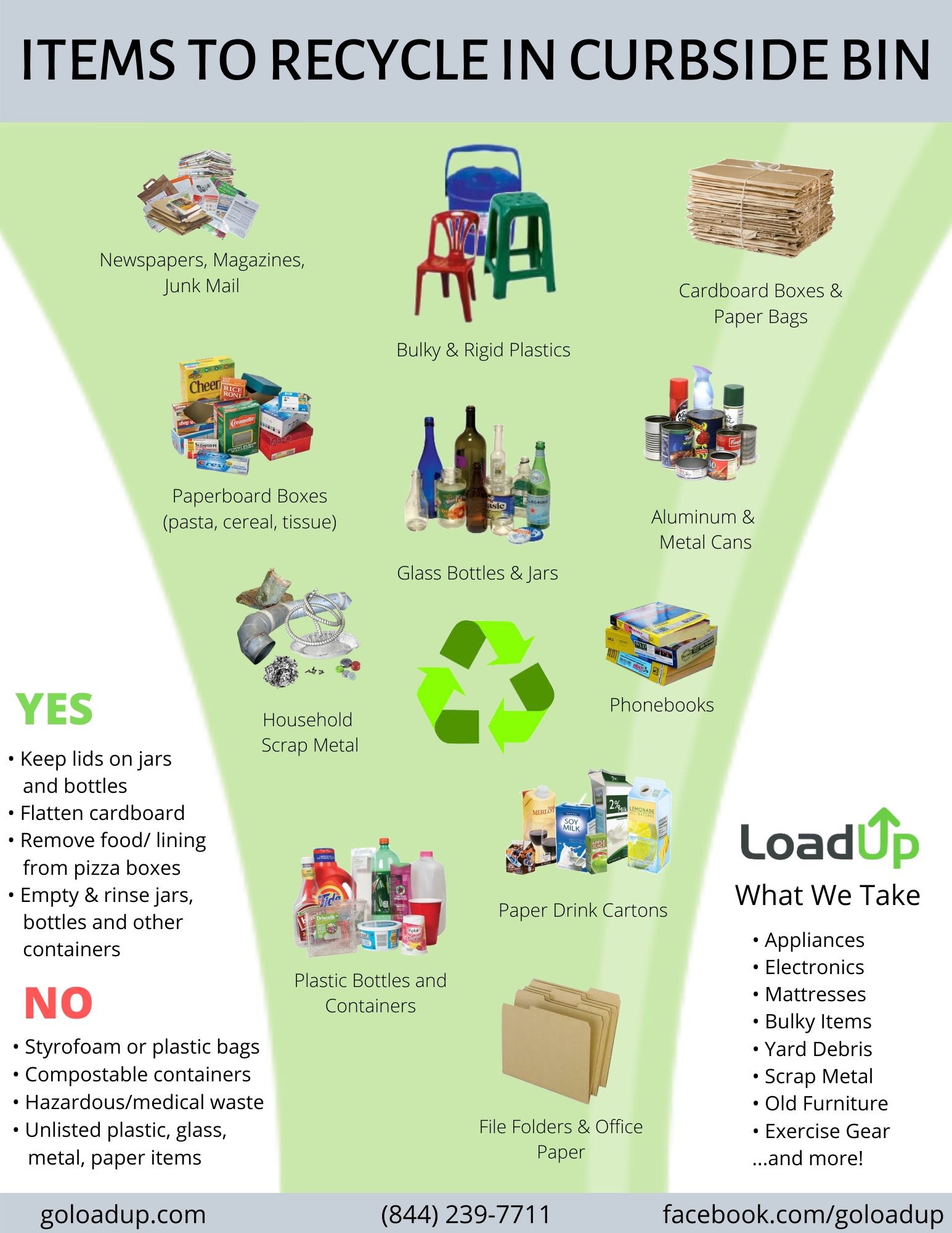
Download: Curbside Recycling Bin Cheat Sheet here.
Recycling Plastic in the Curbside Bin
Let’s talk about recycling numbers. Plastics #1-7 are usually acceptable in the curbside bin, but there are a few exceptions.
#1:PET or PETE
PET or PETE stands for polyethylene terephthalate—try saying that five times fast! #1 plastic is the most common plastic used to make single-use water bottles, soda bottles, and other beverage containers. It’s cheap, lightweight, and incredibly easy to recycle curbside.
♻️ PET/PETE plastics are picked up through most curbside recycling programs.
#2: HDPE
HDPE (high-density polyethylene) is mostly used for packaging. You’ll find it in juice bottles, household cleaner bottles, some shopping and trash bags, yogurt and butter tubs, milk jugs, and cereal box liners.
♻️ HDPE plastics are accepted by most curbside recycling programs. Some programs only accept bottles made from this plastic with narrow necks, like milk jugs and detergent bottles.
#3: V or PVC
V (vinyl) or PVC (polyvinyl chloride) is found in shampoo bottles, piping, windows, siding, and cooking oil bottles. Because PVC contains chlorine, it is toxic when burned, which makes it more expensive and difficult to recycle.
♻️ V or PVC is generally not accepted in curbside recycling programs. However, some specialized recycling facilities and plastic lumber manufacturers do accept it.
#4: LDPE
V (vinyl) or PVC (polyvinyl chloride) is found in shampoo bottles, piping, windows, siding, and cooking oil bottles. Because PVC contains chlorine, it is toxic when burned, which makes it more expensive and difficult to recycle.
♻️ V or PVC is generally not accepted in curbside recycling programs. However, some specialized recycling facilities and plastic lumber manufacturers do accept it.
#5: PP
PP (polypropylene) is mostly found in bottle caps, straws, medicine bottles, some yogurt containers, and syrup bottles.
♻️ PP plastics are accepted by most curbside recycling programs, including many that allow #5 plastics.
#6: PS
PS (polystyrene), also known as styrofoam, is not accepted by all curbside programs because it is very difficult to recycle. Polystyrene is used to make disposable dishes, egg cartons, meat trays, CD cases, and aspirin bottles.
♻️ Polystyrene plastics are accepted by some curbside recycling programs.
#7: Miscellaneous
Traditionally, #7 plastics, also called polycarbonate plastics, haven’t been widely recycled. These plastics are used to manufacture DVDs, computer and iPod cases, sunglasses, nylon, certain food containers, and three- and five-gallon water bottles.
♻️ Polycarbonate plastics are accepted by some curbside recycling programs.
Recycling Paper in the Curbside Bin
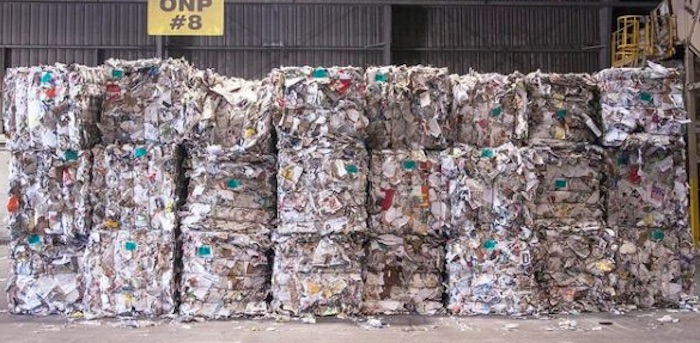
Recycling paper is super easy, but it must be kept dry and free of contaminants. To help prevent your paper from getting rejected, place it in your recycling bin last so it sits on top of everything else. Once your other recyclables are clean, dry, and inside the bin, add the paper on top before dragging it all to the curb.
Shredded paper is more difficult to recycle than whole sheets. If possible, use a black Sharpie to block out any personal information on junk mail or other paperwork before recycling. Shredding reduces fiber lengths, which makes paper harder to recycle into new products.
Not all paper is accepted in curbside recycling bins. The general rule is that non-coated paper that tears easily can go in your bin, while coated or heavy-weight paper should be avoided unless you know your curbside service accepts it.
📦 If you have too much cardboard and want it gone quickly, consider booking LoadUp’s efficient cardboard box recycling services near you today for a faster solution.
Recycling Glass in the Curbside Bin
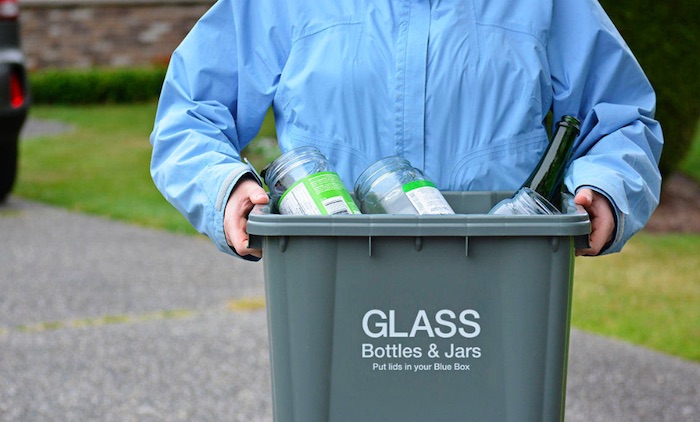
Glass is a bit trickier because not all curbside recycling programs accept glass items in the bin. When glass breaks inside your recycling bin, it becomes more difficult and dangerous to sort. For this reason, broken glass and sometimes even intact glass items are often not accepted curbside.
Since many curbside recycling programs have started removing glass from their list of accepted items, it’s important to check with your local recycling service before tossing glass into your bin.
Glass should definitely be recycled, as producing new glass emits harmful greenhouse gases into the environment. Most recycling centers accept glass items, but you may need to bring them to the facility and separate them by color yourself.
What Can’t Go in the Curbside Recycling Bin
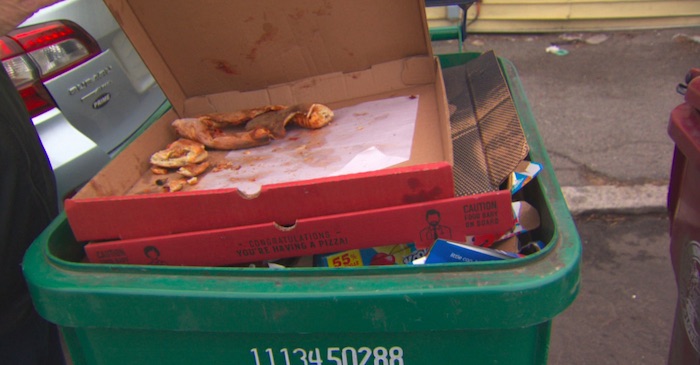
The following items should be kept out of your curbside recycling bin:
- Wire hangers
- Bowling balls
- Potato chip bags
- Propane cylinders
- Shopping bags
- Plastic wrap
- Clothing & Textiles
- Food waste
- Appliances
- Drinking glasses
- Bagged recyclables
- Hazardous materials
- Items that tangle up
- Bulky plastics**
- Wood
- Diapers
- Ceramics
- Furniture
- Batteries
- Light bulbs
- Electronics
Some bulky plastics can actually be placed in your curbside bin. Bulky plastics include plastic playsets, laundry baskets, and plastic furniture. Be sure to check with your local recycling service for specifics.
Recycling Difficult Items
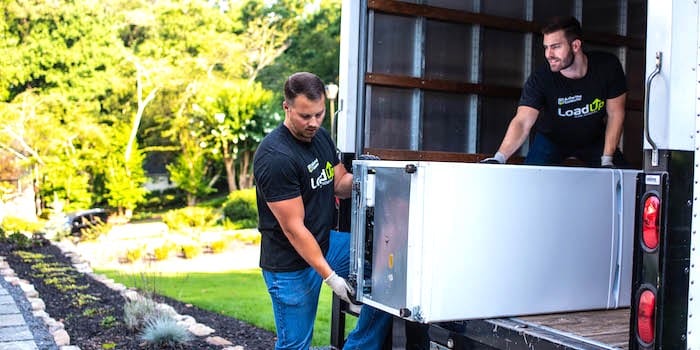
Many household items are recyclable but can’t be placed in curbside bins. Appliances like kitchen stoves, dishwashers, and water heaters contain a lot of metal and can be recycled easily.
You can also recycle small household appliances like microwaves, fans, and even AC units.
Furniture items such as futons, bed frames, mattresses, and some wooden furniture are often made from recyclable materials.
In many cases, recycling starts with reusing or repurposing the item. Furniture in good condition is a great candidate for donation. But if the item is worn or not needed by local charities, a furniture recycler is the next best option.
Other recyclable items that can’t go in your blue or green cart/bin include clothing, exercise equipment, and even lawnmowers!
When you have items that won’t fit in your bin but you want to recycle, you have a few options. It’s important to remember that recycling “hard-to-recycle” items usually isn’t free. However, eco-friendly junk removal companies like LoadUp have made it easier and more affordable than ever to have your items picked up and hauled away for eco-friendly disposal at a fair price.
Your options for recycling difficult items include:
Difficult items are a nightmare to deal with. Don’t worry, we are here to help you through this! Here are some options for getting rid of your stuff.
Haul your items to a recycling event.
Hauling your stuff can get a little bit complicated. It often requires renting a truck and the cost of gas. In addition to that, you’ll be charged for the items you bring to have recycled. If you already have a truck and don’t mind the long lines and the fees, check with your local government for the dates and locations of recycling events near you.
Request a special pickup through your recycling service.
Not every curbside recycling service offers special pickups. Make sure you clarify with them that your items are being picked up for recycling, and won’t end up in a landfill. Since so many curbside recycling services are affiliated with the local sanitation company, it’s important to make that distinction.

Hire an eco-friendly junk removal company.
As an eco-friendly junk removal company, LoadUp always tries to find the greenest method of disposal for all your difficult to recycle items, like furniture, appliances, mattress, treadmills and more. We make it easy to get rid of your unwanted items, with in-home and curbside pickups available. So, just because you can’t put it in the recycling cart doesn’t mean you can’t get convenient, at-home pickup.
When you hire LoadUp to remove your “hard to recycle” items, we’ll take care of everything from pickup to disposal. LoadUp takes all the guesswork out of recycling large items, making it easy and affordable to keep bulky items out of the landfill. With rates 20-30% lower than most other junk removal companies around, LoadUp is the obvious choice when you need responsible disposal of large household items at an affordable price.
Do you have large household items to recycle? Give us a call or get your upfront quote online today!
Curbside Recycling Facts & Myths
Related Articles from the Trash Talk Blog:

